Home / Why Does My Riverside Home Have Drywall Cracks
Why Does My Riverside Home Have Drywall Cracks
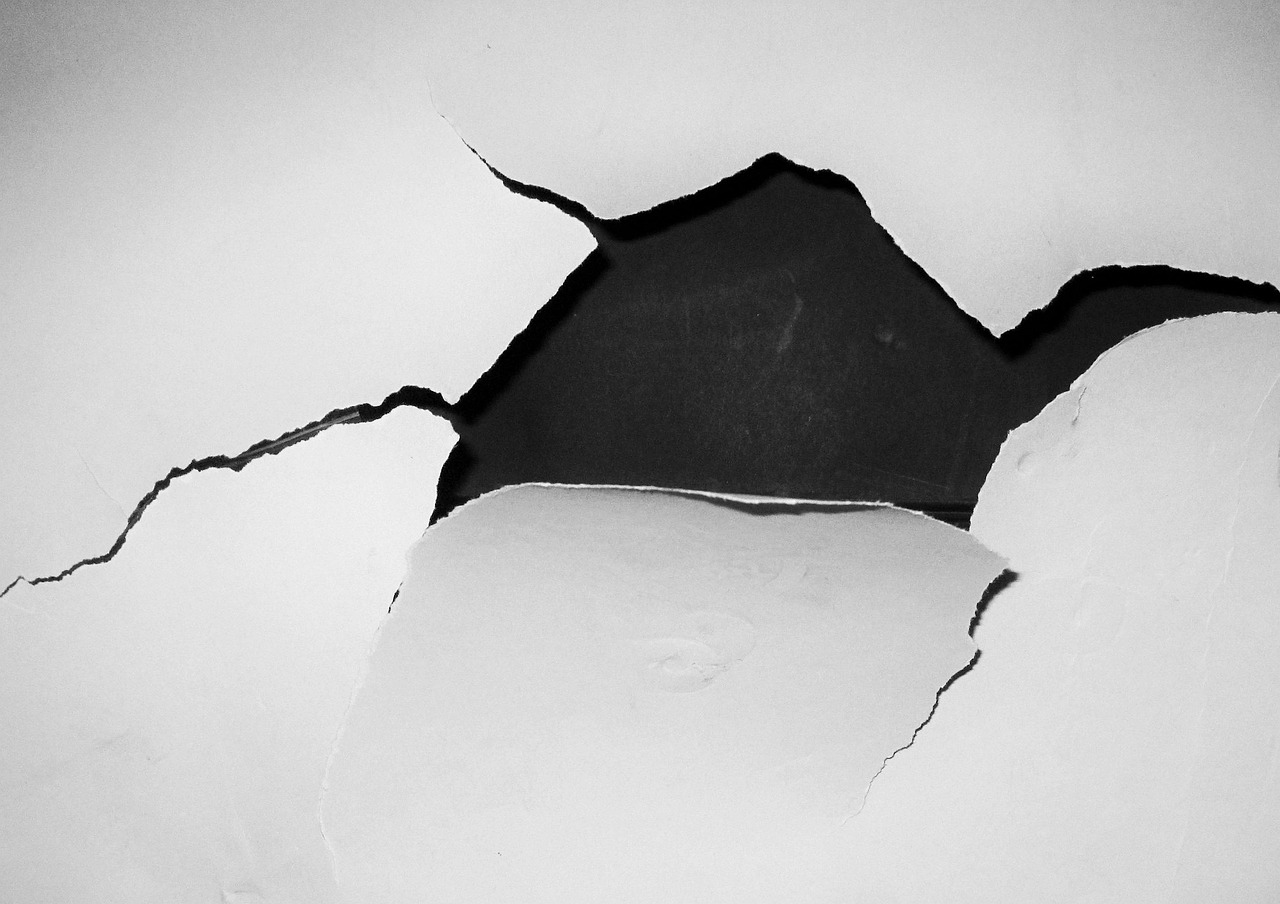
Understanding the Causes of Drywall Cracks in Riverside Homes
Homeowners in Riverside often notice small lines appearing on their walls or ceilings. These cracks can range from hair thin fissures to wide gaps that follow the corners of doors or windows. While seeing a crack in a wall can be unsettling, it is often a result of the natural environment and the specific way homes are constructed in the Inland Empire. Understanding why these cracks occur requires looking at the local geology, the seasonal weather patterns, and the age of the residential structures in the area.
Drywall is a relatively brittle material. It is designed to provide a smooth surface for paint and decor, but it lacks the flexibility to absorb significant movement. When the underlying structure of a house shifts, the drywall is forced to bend or stretch. Because it cannot do either without breaking, it cracks. In Riverside, several specific factors contribute to this structural movement.
Seismic Activity and Ground Movement
Riverside sits in a region known for geological activity. The presence of various fault lines in Southern California means that the ground is not entirely static. Even if a large earthquake is not occurring, subtle seismic shifts can happen deep underground. These movements send vibrations through the soil and into the home foundations.
When an earthquake occurs, the energy travels through the foundation and into the wooden or steel framing of the house. If the house moves even slightly out of alignment, the rigid drywall sheets will snap. This often results in diagonal cracks that start near the corners of door frames or window openings. These locations are common because the openings in a wall represent a point of weakness where the structure is most likely to flex.
Over time, repeated small tremors can cause cumulative damage. A home might not suffer a major crack after one small event, but several minor vibrations over a decade can weaken the bond between the drywall and the studs. This makes the material more susceptible to cracking during future temperature shifts or heavy wind events.
Seasonal Temperature Fluctuations and the Inland Empire Heat
The climate in Riverside plays a massive role in how much a home moves. The region experiences significant temperature swings between the summer and winter months. During the summer, the Inland Empire heat can drive temperatures to extremes. This heat does not just affect the air, it affects the building materials themselves.
Wood is a hygroscopic material, meaning it absorbs and releases moisture based on the surrounding humidity. In the dry heat of a Riverside summer, the wood framing in a house tends to shrink as it loses moisture. This shrinkage causes the studs and joists to pull slightly away from one another. When the wood shrinks, the drywall attached to it loses its support, leading to cracks.
Conversely, during wetter months or periods of higher humidity, the wood expands. This constant cycle of shrinking and expanding is known as thermal expansion and contraction. While the movement is often invisible to the naked eye, it is constant. The drywall is caught in the middle of this movement. Eventually, the stress exceeds the strength of the drywall compound or the paper facing, and a crack forms.
The Impact of Santa Ana Winds
The Santa Ana winds are a unique phenomenon in the Riverside area. These winds are characterized by being hot, dry, and very fast. When these winds blow through the region, they drastically lower the local humidity levels in a very short period. This rapid drop in moisture is a catalyst for sudden structural movement.
As the dry wind strips moisture from the air and the building materials, the wood framing reacts quickly. The suddenness of this change can be more damaging than the gradual changes seen during a typical summer. The rapid contraction of wood can cause "popping" sounds in the walls as the drywall pulls against the nails or screws. This often leads to small, star shaped cracks around light fixtures or ceiling medallions where the material is most constrained.
Age and Construction Styles of Local Homes
The era in which a home was built significantly influences how it handles movement. Riverside contains a wide variety of housing stocks, including many ranch style houses built between the 1950s and the 1970s. These homes were constructed using methods that may react differently to modern environmental stresses than newer builds.
Many older homes in the area were built with plaster walls instead of modern drywall. Plaster is applied in layers over wooden lath. While plaster is very durable, it is also very heavy and very brittle. If a home built in the 1950s begins to settle or shift due to seismic activity, plaster is prone to large, deep cracks that can be difficult to patch. Some homes may have undergone renovations where plaster was covered with drywall, creating layers of different materials that expand and contract at different rates.
Additionally, many older Riverside homes feature stucco exteriors. Stucco is a heavy material that sits on the outside of the structure. As the ground settles or the house shifts, the relationship between the heavy stucco exterior and the lighter interior drywall can create tension. If the house moves, the exterior might resist the movement while the interior tries to follow, causing the drywall to crack as a result of the internal tension.
Common Patterns of Cracking
Not all cracks are equal. By observing the direction and location of a crack, you can often determine the likely cause of the movement. Understanding these patterns can help in monitoring whether a home is undergoing a temporary shift or a more serious structural change.
- Vertical Cracks: These often occur where two sheets of drywall meet at a seam. If the house is settling vertically, the weight of the wall can cause the seam to pull apart.
- Horizontal Cracks: These can be a sign of lateral movement or pressure. In some cases, horizontal cracks along the top of a wall near the ceiling suggest that the roof structure is putting pressure on the wall studs.
- Diagonal Cracks: These are frequently seen near the corners of doors and windows. As mentioned previously, these are classic signs of seismic activity or foundation settling, as the corners are the primary stress points of a wall.
- Staircase Cracks: These are diagonal cracks that look like a set of stairs. They often follow the lines of the studs or the joints in the drywall and are usually a sign of significant settling in the foundation.
How to Monitor Wall Cracks
Since many cracks in Riverside are caused by seasonal changes or minor seismic events, they may not always indicate a permanent structural failure. Homeowners can use several methods to track whether a crack is "active" or "dormant."
- Visual Mapping: Use a pencil to lightly mark the very end of a crack. If you check the wall a month later and the crack has extended past your mark, the movement is likely still occurring.
- The Tape Method: A small piece of clear tape can be placed across a crack. If the tape wrinkles or breaks, it indicates that the wall is still moving.
- Seasonal Observation: Note if cracks appear or widen during the peak of the Santa Ana winds or during the hottest weeks of summer. If the cracks close up or become less noticeable during cooler, wetter months, they are likely caused by thermal expansion and contraction.
When to Seek Professional Inspection
While most small cracks are a normal part of home ownership in a geologically active and climatically extreme area like Riverside, certain signs suggest that the movement is more than just seasonal. It is important to distinguish between cosmetic issues and structural concerns.
If a crack is wide enough to fit a coin into, it may indicate significant movement. If cracks are appearing simultaneously on both the interior and exterior walls, this suggests the entire structure is shifting. Furthermore, if doors and windows in the same area as the cracks become difficult to open or close, it is a sign that the frames are no longer square. This often points to foundation issues rather than simple drywall stress. If you notice cracks that are accompanied by sloping floors or a visible tilt in the house, a professional evaluation is necessary to ensure the stability of the foundation.
By staying observant and understanding the relationship between the Riverside environment and the materials used in home construction, you can better manage the maintenance of your property. Most cracks are a way for the house to "breathe" and adjust to the intense heat and occasional tremors of the Inland Empire, but keeping a close eye on their progression is a vital part of responsible home ownership.